
Emergency Water Extraction, Drying and Mold Cleanup for Roswell Homes
Water in the house is an emergency, and the first hour decides how far it spreads. This page covers emergency water damage restoration in Roswell, Georgia: water extraction, flooded basements and crawl spaces, sewage backup cleanup, drying, and mold removal.
The scope is removal and drying. A plumber stops the source first, then the water comes out and the structure is dried. Rebuilding and finish work are a separate trade.
- Licensed and insured plumbers
- Same-day service when available
- 24/7 emergency dispatch
Water extraction and removal
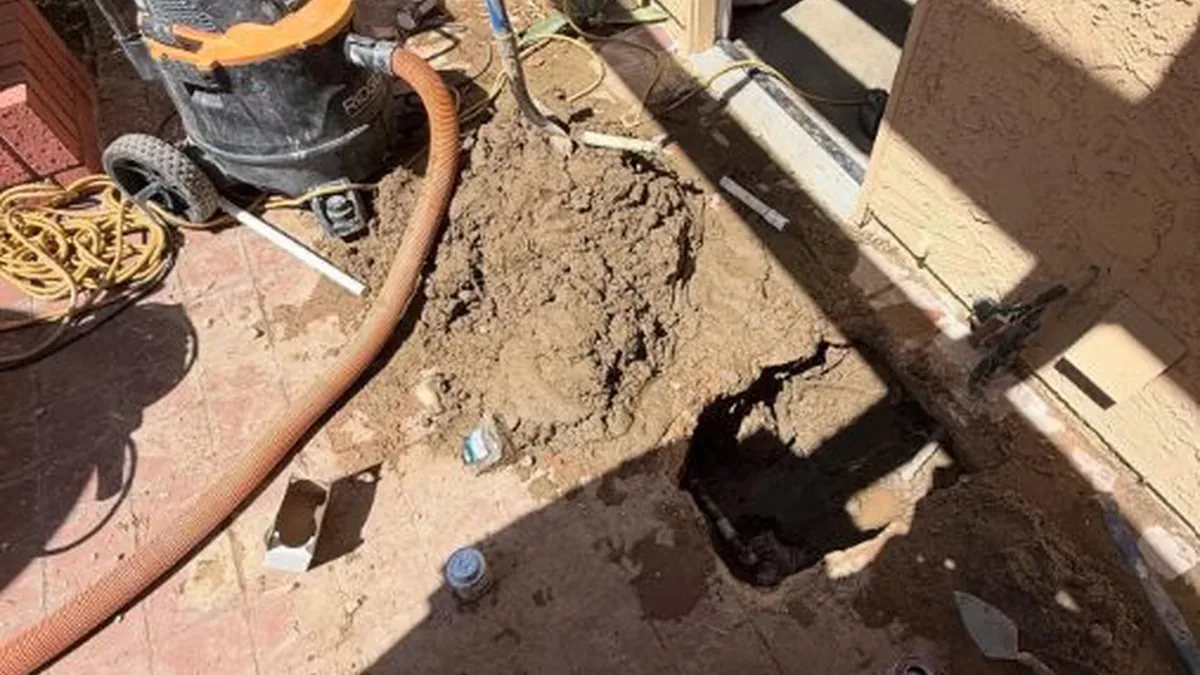
The first hours decide how far water spreads. Emergency water extraction pulls standing water out with pumps and wet vacuums, then removes what cannot be saved: soaked padding, wet insulation, swollen drywall at the base of a wall. A bathroom leak that has run for an hour and a ceiling that has collapsed under water are the same problem at different scales.
Start by stopping the source. A plumber closes the supply or fixes the break, and extraction begins once the water is no longer coming in. Pulling water out while the pipe is still running just resets the clock. Photograph the water line and the damaged items before anything is moved.
- Stop the source: close the main or the fixture shutoff.
- Switch off power to wet areas and stay out of standing water near outlets.
- Lift small items, furniture legs and rugs out of the water.
- Open windows only if the weather is dry and the air outside is cooler and drier.
- Call and say how much water there is and where it came from.
Flooded basement, crawl space and whole-house flooding
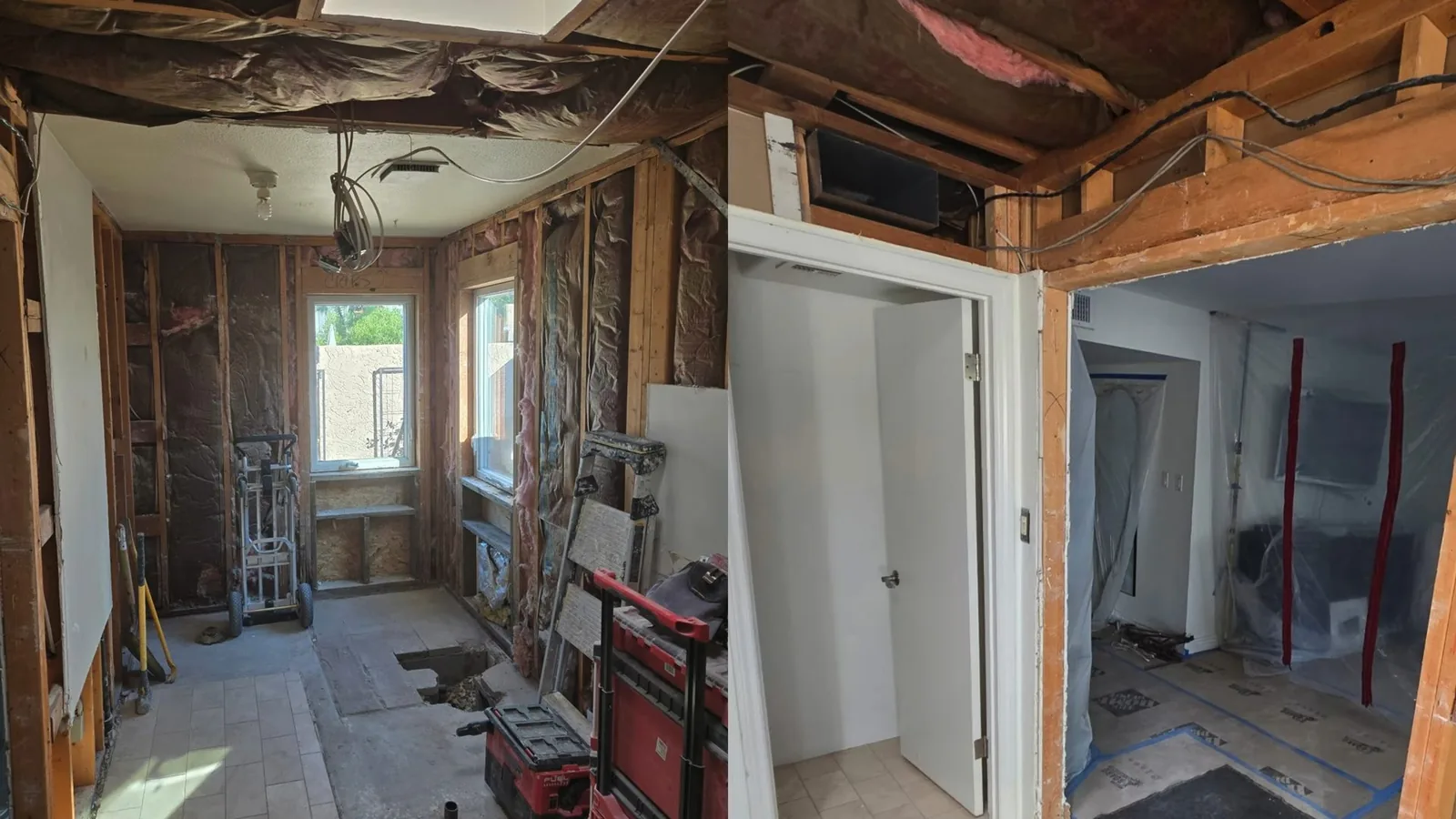
Many north metro Atlanta houses have a basement, and basements take on water when storms push groundwater through the wall or the floor joint, when a floor drain fails or when a pipe lets go upstairs. A crawl space can flood from a broken irrigation line or a backed-up backflow device and sit wet for weeks without anyone looking.
Source: atlanta.com housing FAQ.A plumber for a flooded basement looks for the source first. A supply leak, a drain backup and groundwater seepage need different fixes, and cleanup differs too. Clear water from a supply line is handled differently from water that has come up through a floor drain. Whole-house flooding after a burst main or a failed water heater needs the same steps on a larger scale.
Water in a crawl space is easy to miss. Check for damp insulation, sagging vapor barrier and a musty smell, and have the space dried and checked before the subfloor takes on moisture.
Water in the house right now?
Call the water damage line and say where the water came from. A plumber serving your area takes it from there.
Sewage backup cleanup
Sewage is contaminated water, and cleanup is not a do-it-yourself job. When a sewer line backs up into a tub, a floor drain or a basement, the water carries bacteria and waste. Porous materials that touch it, such as carpet, padding and drywall, are usually removed and discarded rather than dried, since drying does not make them safe.
Stay out of the affected room, and keep children and animals away too. Stop using water in the house so the line does not keep adding to the problem, and have a plumber find the blockage or the break. The sewer line repair service page covers the plumbing side, and this page covers removal and drying afterward.
Source: EPA guidance as summarized by NEHA.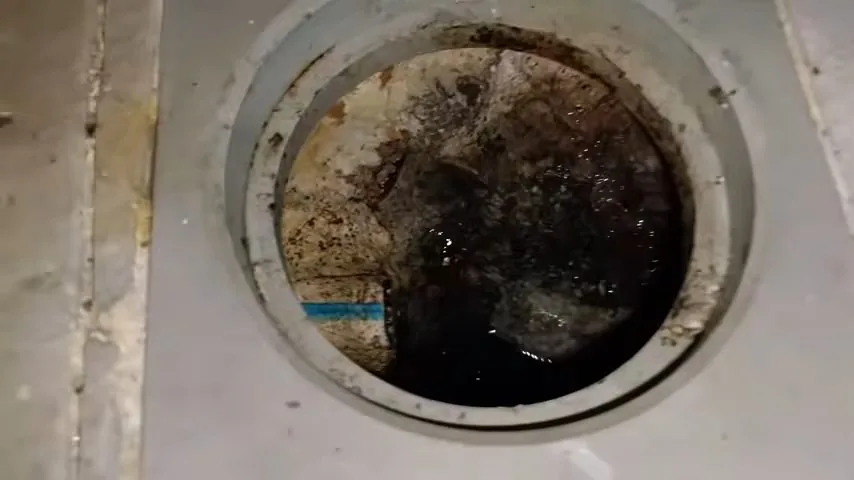
Burst pipe and plumbing leak damage
A burst pipe is the most common cause of fast, whole-room damage. Supply lines, water heater connections, washer hoses and ice maker lines can all fail suddenly. Once the plumber has the water off and the pipe fixed, removal and drying begin.
The plumbing work belongs to its own pages: find the source on the leak detection service, repair a failed run on the repiping overview and fix a main supply problem on the water line repair guide. This page picks up after the pipe is fixed and the water has to come out.
A hidden leak that has run for weeks has a different damage pattern from a burst pipe, with stained drywall, warped baseboards and a musty smell. That kind of loss often calls for an assessment before anything is opened.
How a small leak becomes water damage
Leaky pipes causing water damage rarely announce themselves. A slow drip under a kitchen sink soaks the cabinet floor, a pinhole in a supply line stains a ceiling below, and a garage wall dampens for weeks before anyone notices. Mitigation is the work of stopping that spread: pulling out standing water, opening wet cavities and starting the drying process before the materials give up.
The words people use for this vary, and they point to different jobs. Staining and soaking on a ceiling suggest a leak above, a wet washroom floor suggests a failed supply or drain, and water raining from a fixture means shutting off the line first. Repairs to the pipe itself belong to a plumber, and the drying that follows is a separate step, so both are planned together. Treatment of mold, cupping hardwood and odor come later in the process, and an extent-of-damage check tells you how far the moisture went.
Residential, property and business water damage
Residential water damage covers houses, townhomes and condos, and property managers call about shops, offices and rooms with sensitive equipment such as recording studios. A water damage restoration specialist handles the first stage: disaster response, mitigation coordination, extraction and drying. Professionals and experts in this field work to a plan, and reconstruction, repairs to finishes and rebuilding belong to a separate trade.
Insurance-approved work depends on records. Photograph the damage, keep the moisture readings and save the invoice, since an adjuster in Fulton County or elsewhere will ask what was wet and for how long. Help with claim assistance means documentation, not negotiation, and the policy decides what is covered.
Reading the damage: type, category and extent
A full assessment names the type of water, the category it falls into and the extent of the wet area. Clean supply water is less risky than gray or black water, and the category changes what can be saved. Interior ceilings, wall cavities and floors are checked with a moisture meter rather than by touch.
Frozen pipe bursts, ongoing slow leaks, frequent small drips and persistent seepage at a wall all leave different patterns. A home left unattended can have water running for days, and uncontrolled water from a firefighting response soaks insulation and drywall. Watch for stains appearing near walls, which often mark a leak inside. Suspected mold and a musty odor call for testing, and spore detection is a lab or inspector task. Salvageability is judged material by material, and timber, concrete and outdoor structures such as a pavilion dry on different schedules. Birds or pests that leave droppings near wet areas add a cleanup step. A crawlspace or basement may flood after a pipe fails, a drain clogs or the washroom floods, and the stability of a foundation is a question for an engineer.
Some leaks start outside the plumbing. A roofer may use electronic moisture tools or a drone survey to find a roof leak, and waterproofing contractors and waterproofers handle drainage and sealing. Systems such as irrigation or sprinklers need their own repair. Reviews and referrals help when choosing any of these trades, and treatment of mold follows once the source is fixed.
Water damage restoration specialists see the same stories repeatedly: a ceiling that leaked from a bathroom above and started staining the dining room, a leakage that was soaking a floor, or mold growth due to leaks nobody saw. Slab leaks affecting foundations and foundation issues are plumbing and structural questions, so the slab leak service covers them. For mold, an overview of the process and the benefits of doing it in the right order help: understanding what the work involves makes a reliable, efficient job easier to judge. Businesses and hardwood floor cleaners fit in at the end, once drying is done.
Wet walls, a musty smell or a flooded basement?
Dispatch is open around the clock for water damage calls.
Damage assessment and major loss inspection
An assessment maps where the water went. A moisture meter and a thermal camera show wet drywall, insulation and framing behind finished surfaces, and a record of readings sets the drying goal. Major loss assessment matters most for a vacant house or a second home where a leak ran for days before anyone noticed.
The assessment also supports an insurance claim, because it records what was wet, how wet and what was removed. Ask for the readings and the photos in writing. A plumber can tie the loss to its source and say what failed, which the insurer will want.
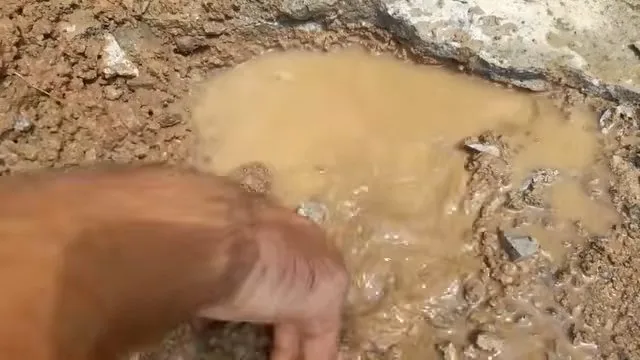
What happens on a water damage job
A water damage restoration job follows a sequence, and knowing it helps you judge a quote and spot a skipped step.
- Stop the water at its source and make the area safe.
- Assess: find every wet area and record readings and photos.
- Extract standing water and remove materials that cannot be dried.
- Set air movers and dehumidifiers, and monitor the readings daily.
- Confirm dryness with a meter and remove the equipment.
- Record the final readings and hand over the documentation.
Basement water damage restoration follows the same steps, with extra attention to the slab, the base of the walls and any wood in contact with the floor. Water damage restoration services end with removal and drying. Rebuilding walls, floors and finishes is a separate trade and is not part of this work.
Drying equipment: air movers and dehumidifiers
Air movers push air across wet surfaces, and dehumidifiers pull moisture out of the air so the surfaces can keep releasing it. The two work together. After rain flooding or a leak, rental units from a hardware store rarely match the capacity of professional equipment, and an undersized dehumidifier can leave a structure damp for a long time.
Drying wet areas and items within 24 to 48 hours is the EPA's guidance for preventing mold growth. That deadline is the reason drying starts as soon as extraction ends.
Source: EPA mold guidance.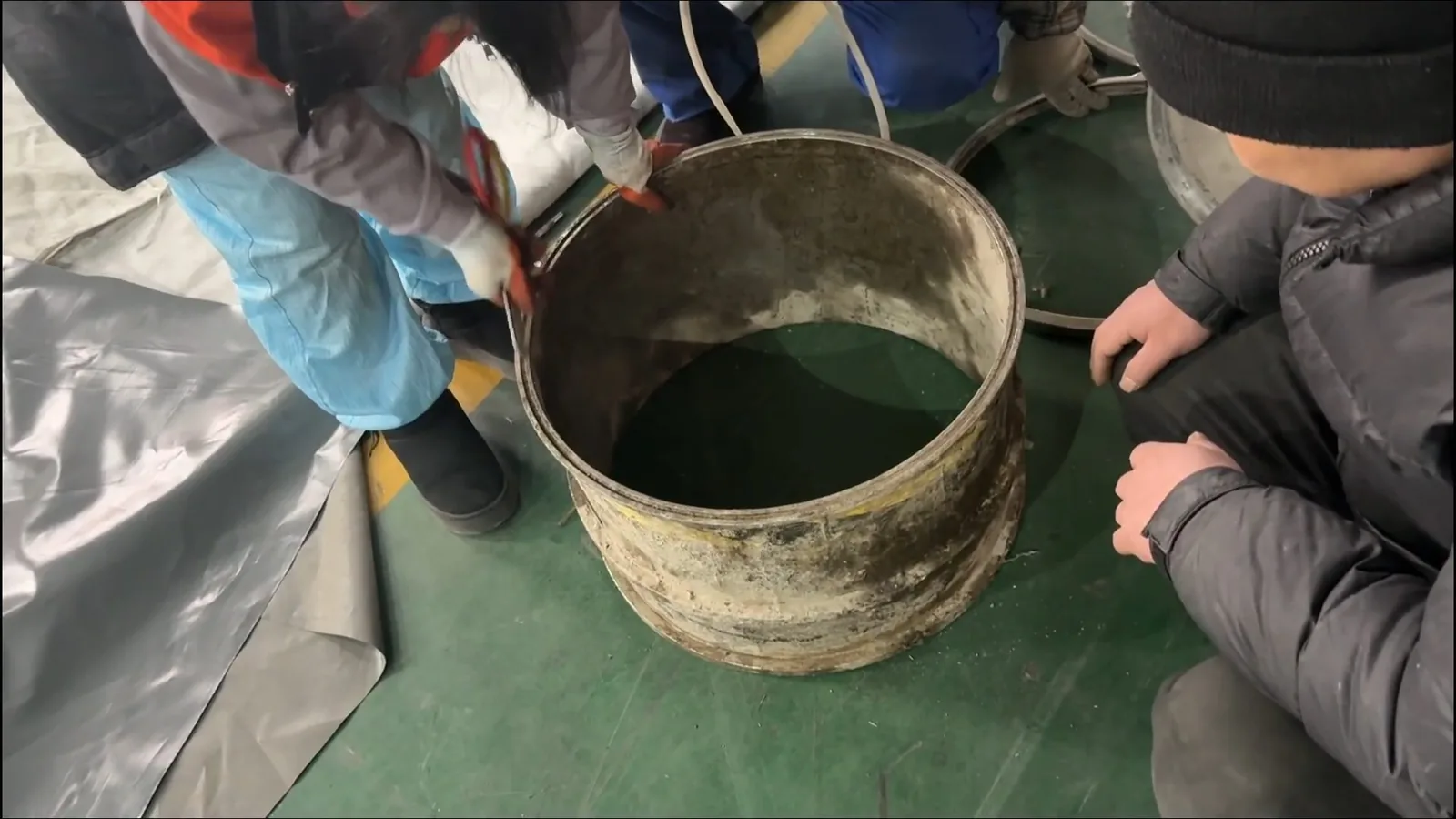
Flooring and carpet damage
Carpet and pad can often be saved when the water is clean and removal starts quickly, though the pad is often discarded. Hardwood is slower to show damage and slower to recover: boards cup as moisture enters from below, and a floor that looks fine on day one can warp by the end of the week. A hardwood floor that was soaked by a washer valve break or an HVAC condensate line leak needs readings below the surface, not just a look.
Laminate and engineered floors swell at the seams, and tile floors hold water in the subfloor beneath. Ask what is being kept and what is being removed, and ask for the reasoning.
Mold remediation and removal
Mold needs moisture, and where water damage has lingered it often follows. Mold remediation removes the growth and the materials it has taken hold in, and fixing the water problem is what keeps it from coming back. The EPA notes that a homeowner can often handle an area smaller than about 10 square feet, and that a larger area or a lot of water damage may call for a contractor.
Source: EPA mold guidance.This work is removal only. Rebuilding the wall or floor afterward belongs to a different trade. Mold cleanup after a leak starts with the source, then the affected material, then drying, so the mold does not return.
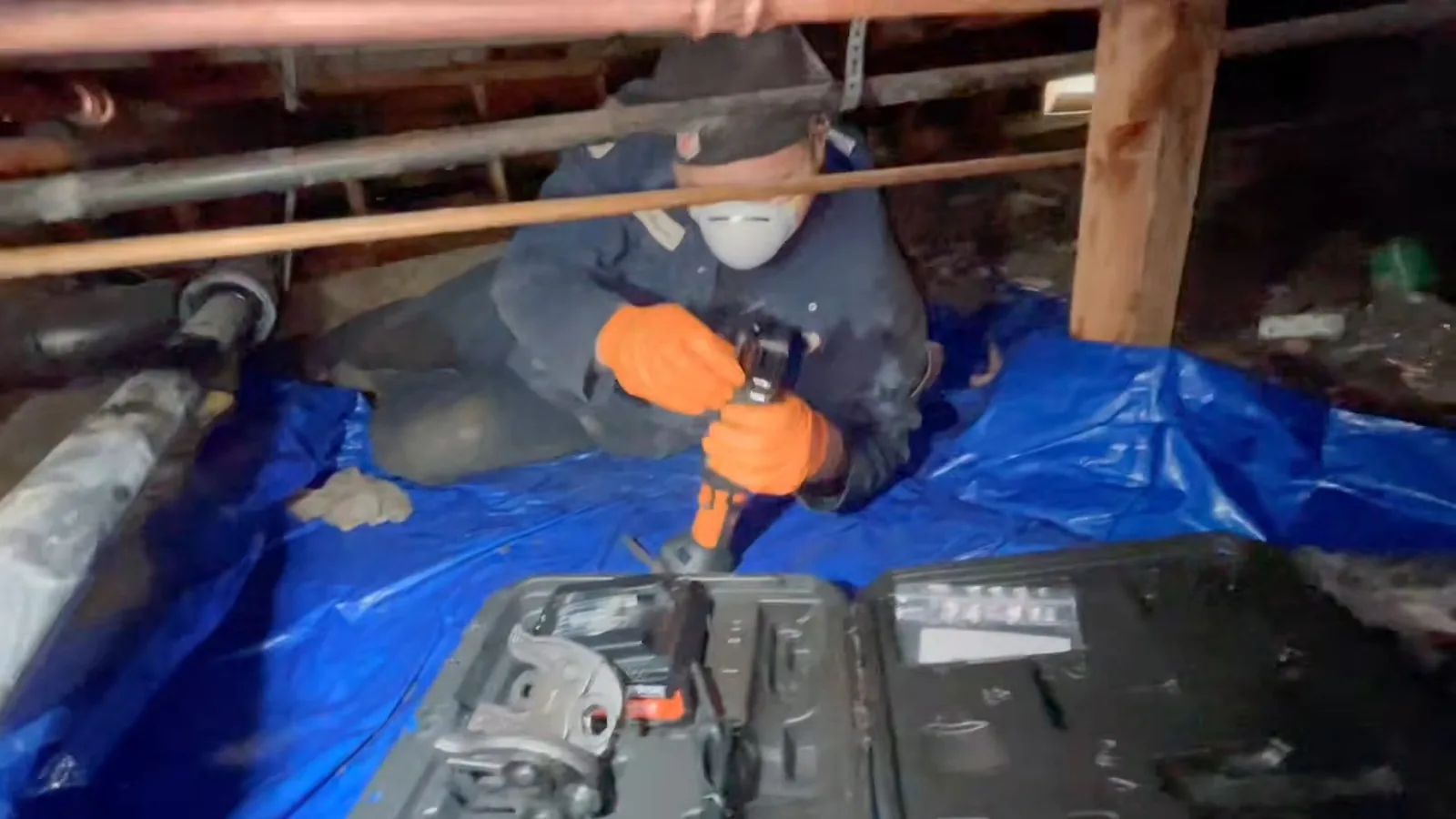
Mold testing, inspection and assessment
Georgia's Department of Public Health states that indoor air quality is not a regulated program, and that mold inspection, testing and remediation practices have no enforceable state or federal standards. That puts the burden on the homeowner to ask what a test will show and what the result will be compared with.
Source: Georgia Department of Public Health.Mold testing and inspection are useful for hidden mold, for a condo association or a rental that needs a record, and for a house where a smell persists after drying. A visual assessment and moisture readings often tell you more than a sample, and a plumber can trace the moisture to its source. Ask who does the sampling, which lab reads it and what the report will say.
Leaks from roof, ceiling, AC and irrigation
Not all water damage starts with a plumbing pipe. A roof leak stains a ceiling, an air handler's condensate line can drip into a closet, and a broken irrigation line can flood a crawl space or soak a wall. A neighbor's sprinkler can soak a flooded closet carpet and pad.
Removal and drying are the same whatever the source. Finding and fixing a roof, gutter or HVAC fault is a different trade, and this service does not repair roofs, gutters or air conditioners. A plumber can say whether the water is a plumbing problem before you pay anyone to fix the wrong thing.
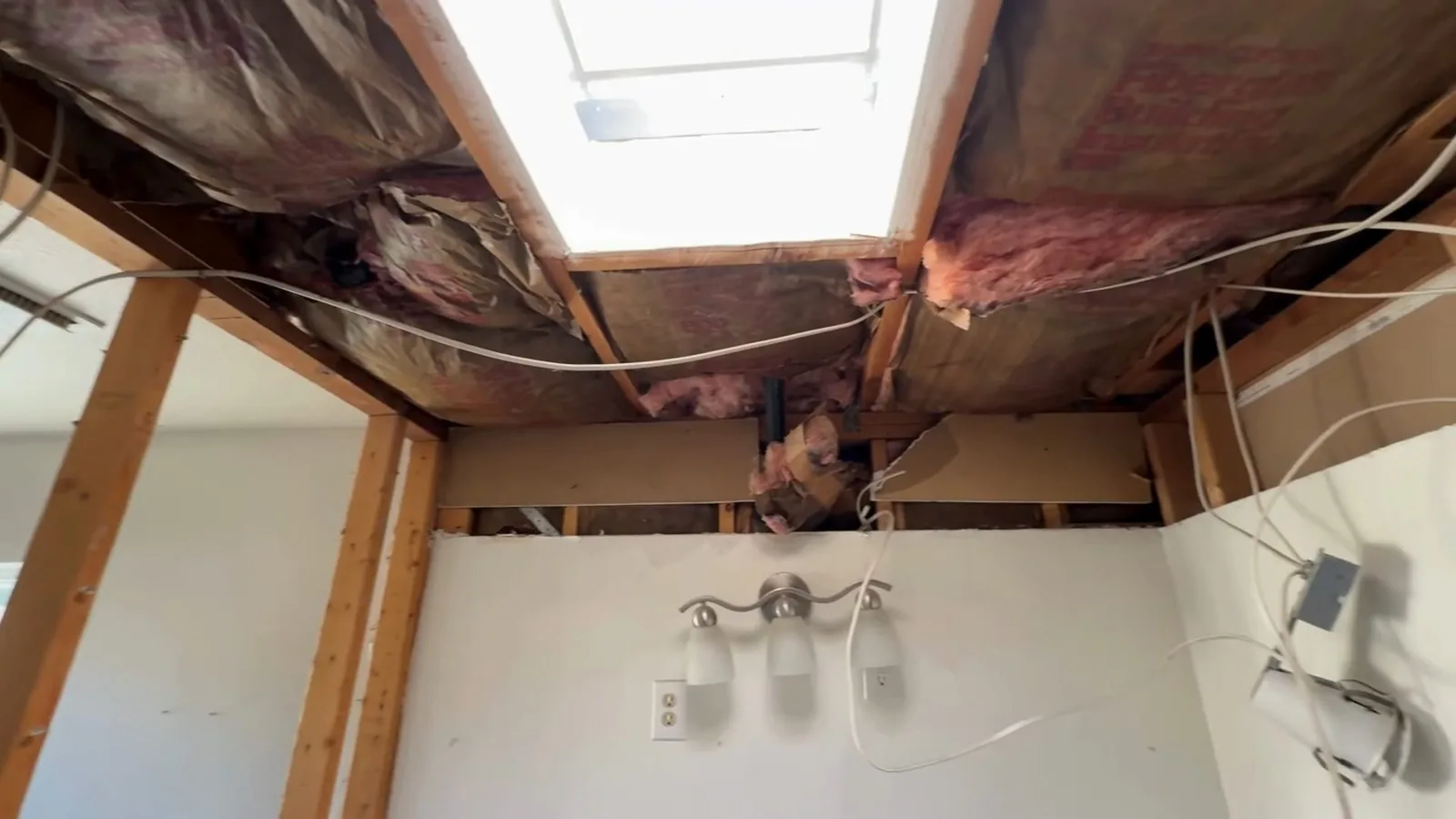
Basement waterproofing and foundation inspection
When water keeps returning to a basement, drying is not enough. A plumber can check what plumbing contributes: downspouts that discharge at the wall, drain lines that back up, a failed floor drain or a leaking supply near the foundation. Waterproofing and foundation repair are specialist work, and a foundation problem needs a different trade from a plumber.
A basement waterproofing quote should say what it will fix and how the water will be carried away. Be wary of any plan that does not start with finding where the water comes from.
Insurance claims and loss documentation
Good records help an insurance claim. Photograph the damage before anything is moved, keep the moisture readings, save receipts and list what was removed. Ask your insurance agent which kinds of water loss your policy covers, because coverage differs by policy and flood is often handled separately.
The City of Roswell's floodplain page sends flood insurance questions to your insurance agent and to the Community Development Department. A restoration record that shows the source, the dates and the readings is easier for an adjuster to work with than a general description.
Source: City of Roswell floodplain management.
Storm, river and rain flooding in Roswell
Roswell sits along the Chattahoochee River, with Big Creek and its tributaries running through town. The city's floodplain page warns that river floodwater can rise very fast and carry debris, and the city restricts development in the 100-year floodplain. The U.S. Geological Survey publishes flood-inundation maps for Big Creek in Alpharetta and Roswell.
Sources: City of Roswell floodplain management; USGS SIM 3338.Floodwater is contaminated and should be treated like sewage. Gas appliances that have been under water should be replaced, according to Atlanta Gas Light's safety guidance, and a plumber can check the gas piping before service is restored. Condo, apartment and commercial properties follow the same steps, and the commercial plumbing guide covers building owners.
Smoke and soot cleanup is a different trade, and this page does not cover it.
Extraction and drying visits reach Roswell, plus Duluth plumbing, the Dunwoody area and Brookhaven area page. A water heater that has failed can start a loss, and the water heater repair page covers that source, while drain backups belong on the drain cleaning information.
Source: Atlanta Gas Light safety insert.Roswell water damage questions
How soon does mold start after a leak or flood?
EPA guidance puts the window at 24 to 48 hours for drying wet areas and items before mold can grow. After that, the risk rises, especially in carpet, padding and drywall. Start drying quickly and have wet materials checked with a moisture meter, since surfaces can feel dry while the layers beneath are still wet.
Should I call a plumber or a restoration company first?
Call for the source first. Water keeps coming in until the pipe is shut off or fixed, and drying a house that is still being wetted gets nowhere. A plumber stops the source, and removal and drying follow. If a pipe has burst, the plumber and the drying work can be arranged on the same call.
Can I dry a flooded room myself?
You can remove standing water and open windows in dry weather. What is harder is knowing when the structure is dry. Wet insulation and subfloor can stay wet for days behind a dry surface, and an undersized dehumidifier prolongs the problem. Moisture readings settle the question.
Is mold testing required after water damage?
Georgia has no enforceable standards for mold testing or inspection, according to the Georgia Department of Public Health, so no rule requires a test. A test can be useful for hidden mold or a rental record. Visible mold on drywall or a musty smell is a reason to dry and remove, with or without a sample.
Water damage in Roswell? One call starts it.
Dispatch is open 24/7 for extraction, drying and mold removal.
- Licensed and insured plumbers
- Same-day service when available
- 24/7 emergency dispatch